

Guides
Plant Your Own Cocktail Garden!
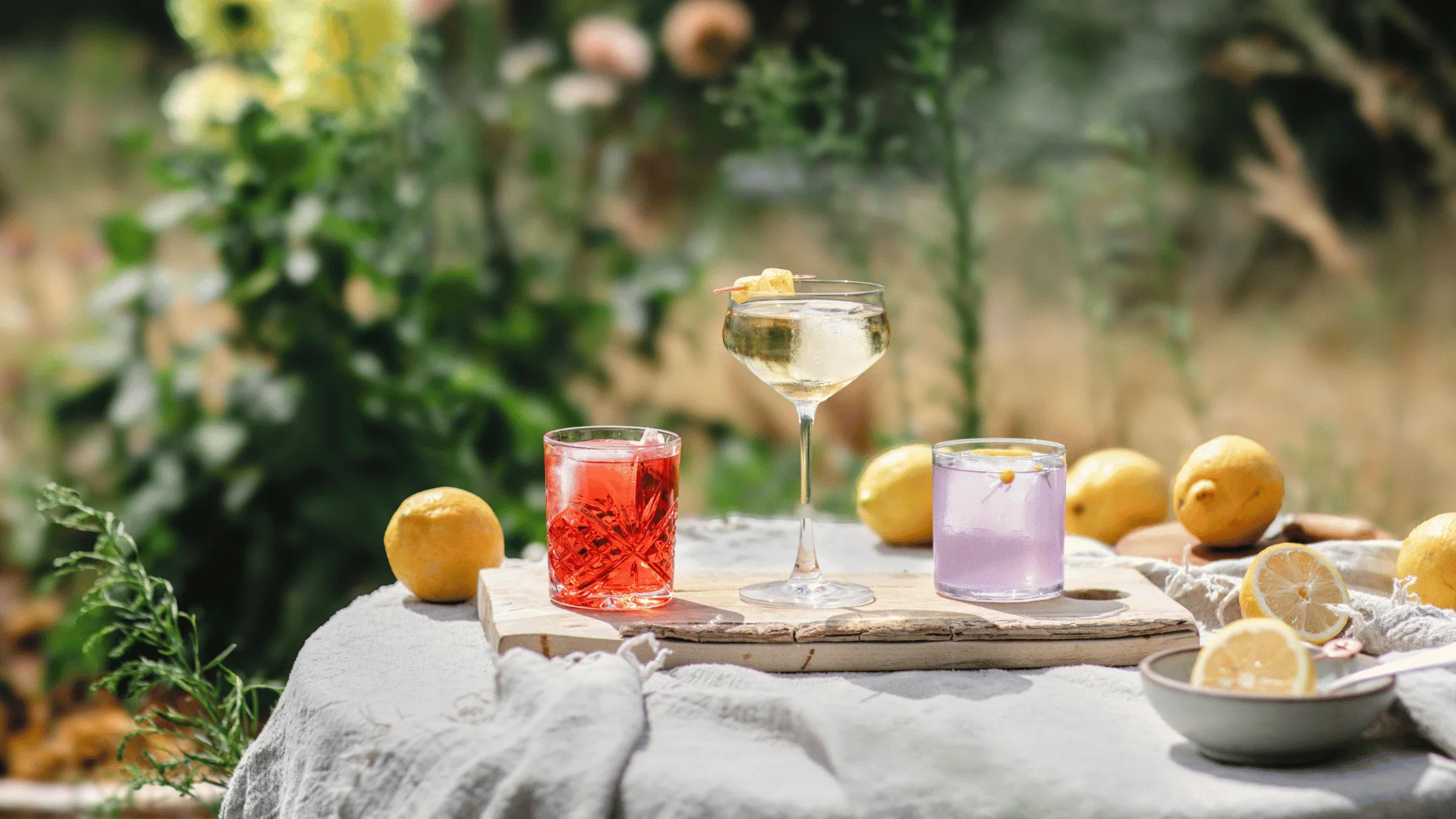
Enjoy sips at their finest with home-grown ingredients!
Spring has sprung, which means we’re thinking about how we’ll be taking advantage of our garden for cocktail creation this season! We particularly love the ingredients that pop up this time of year since they make for the most divine sips with our full gin lineup, such as elegant flowers and fragrant herbs. Are you looking to give gardening a try? Follow along as we guide you with tips to get started!

Jump to the categories ahead!
Where to Grow
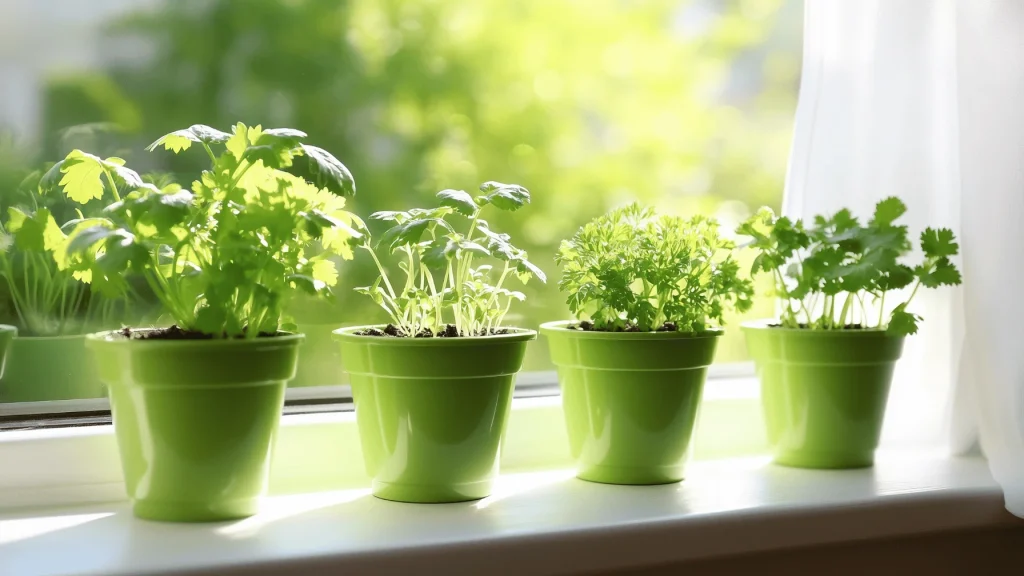
While plants certainly thrive with ample space, you don’t need a large yard to get started! This guide focuses on smaller-scale plants that can easily be grown in an apartment setting. Aim to place your plants in clear areas with sufficient sunlight exposure (typically around 6–8 hours of direct light per day). A balcony is ideal, but a bright indoor spot near a window can also work well.
While some plants tolerate lower light conditions, many of the herbs and botanicals commonly used in cocktails benefit from plenty of sun to develop their best flavour and aroma. If the space you’re working with isn’t particularly bright, don’t worry! You can still create a thriving mini garden right on your countertop with a small, affordable grow light, which can extend the light exposure to around 10-12 hours a day.
How to Grow
Start from Seed or Plant?
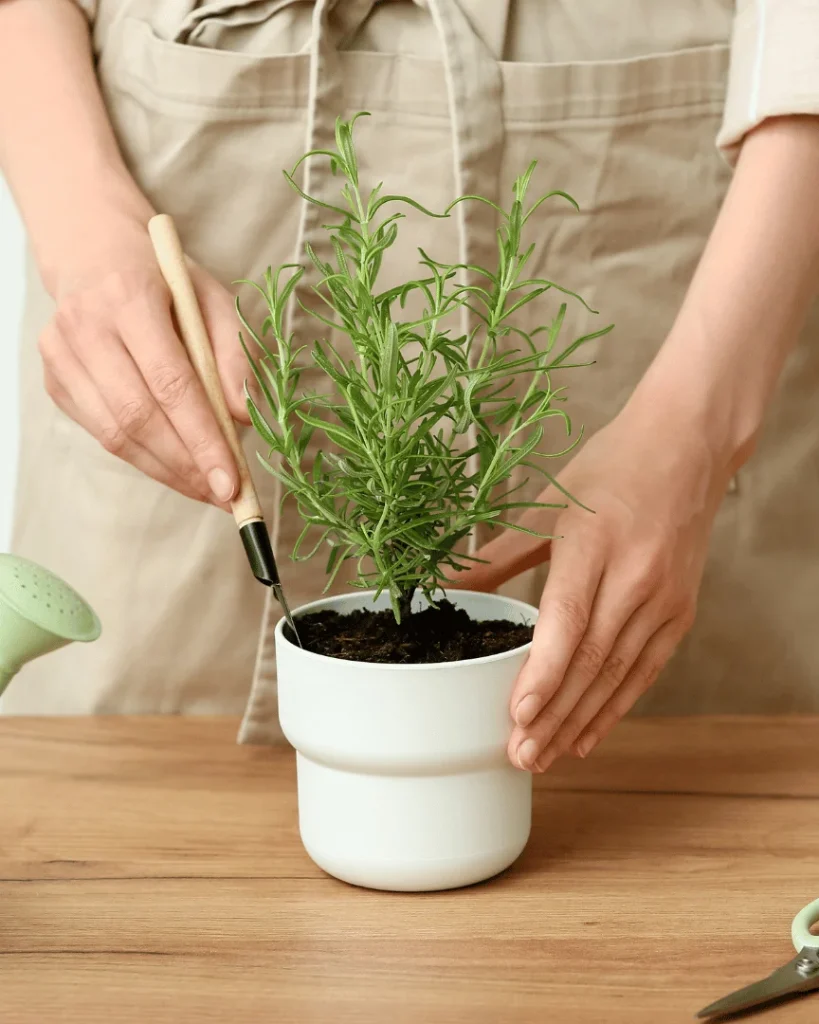
This choice is ultimately up to you and how hands-on you’d like the process to be! Starting from seeds is certainly more cost-effective and arguably fun, but it does require more time, attention, and the right conditions to get your plants established. For cocktail herbs like basil, thyme, or mint, this means managing consistent moisture, warmth, and light during the early stages; things that can feel a bit more involved for beginners.
Opting for starter plants, on the other hand, offers a convenient head start. A lot of the hard work will have been done for you, allowing you to focus on maintaining healthy growth and a quick harvest. This is a great option if you’re eager to start using fresh ingredients in your cocktails right away, whether it’s muddling basil for a garden-fresh Basil Gimlet or garnishing your Empress Lavender Haze with fresh sprigs this spring.
Note: If you end up purchasing a plant, you may have to divide and repot it if there are a lot of rooted stems close to each other to ensure optimal growing space.
Pots & Containers
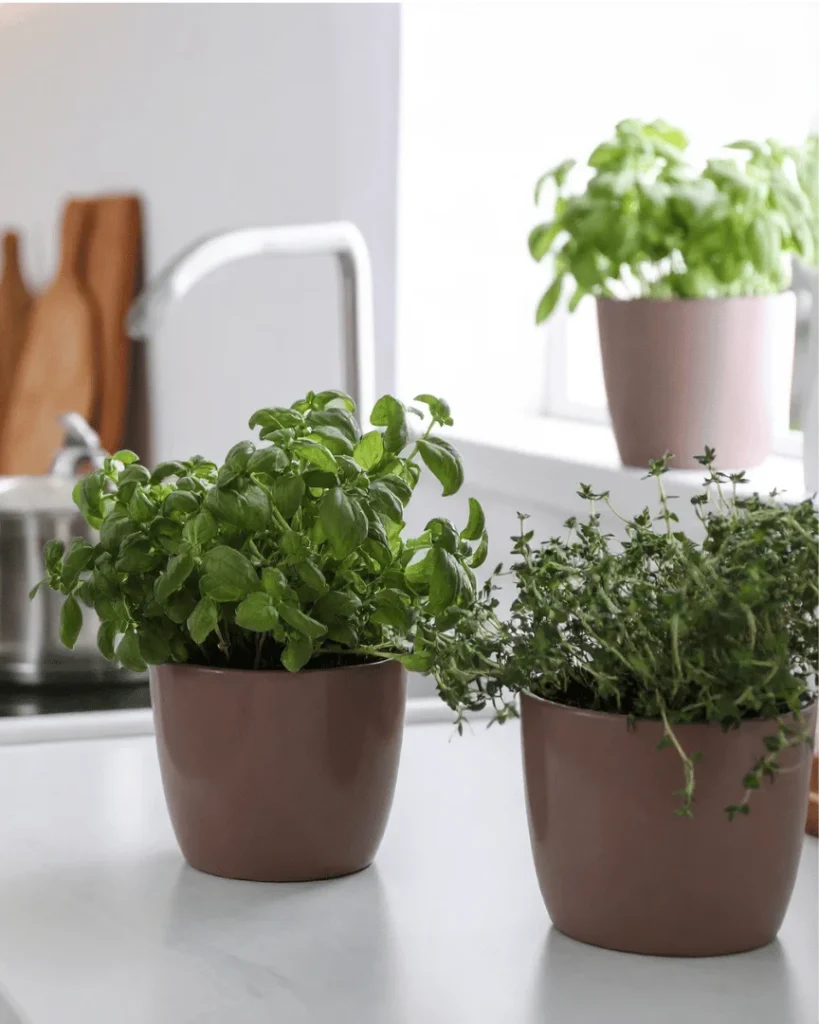
We’re especially big fans of having herbs and flowers indoors since they can do well in smaller spaces, but you’ll want to use the proper-sized container for however much you’re growing. There isn’t a one-size-fits-all solution where, for the most part, you can grow multiple plants in one pot, but each should be spaced about six inches apart.
Soil
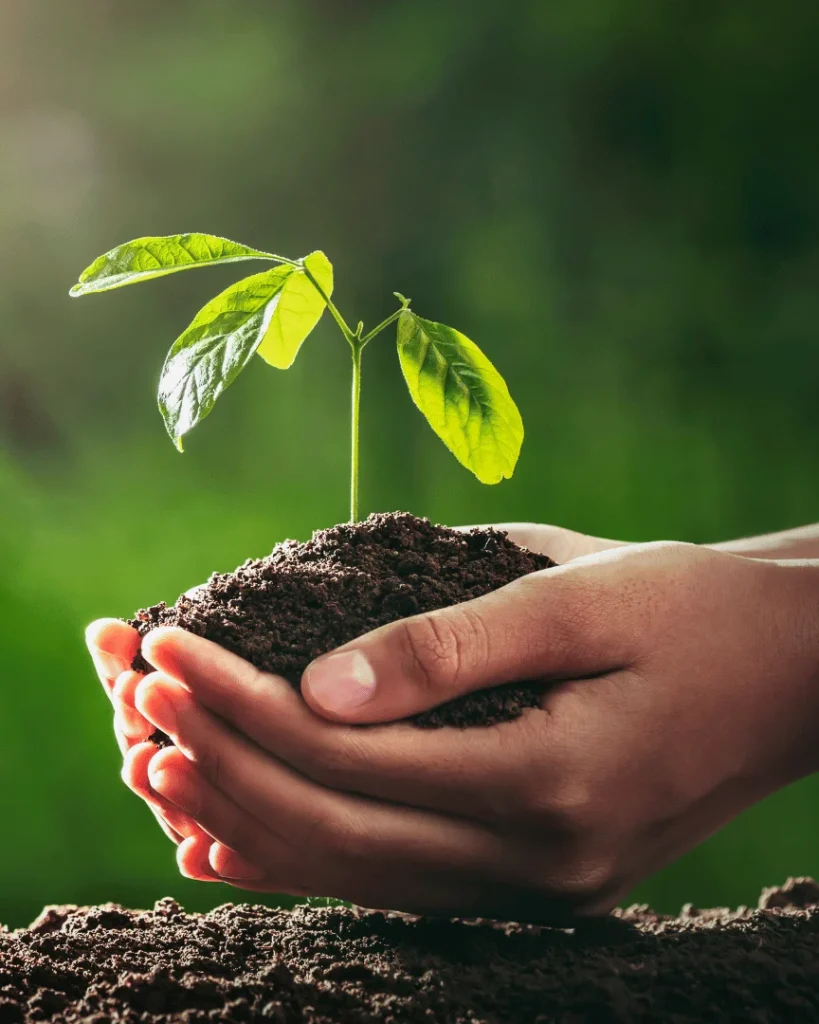
Soil isn’t just soil. With differences in texture and nutrients, the type you use will vary depending on what and where you’re choosing to grow. For our cocktail garden that will consist of pot-grown plants, a potting mix is what you want, as it allows for great airflow and drainage, which are especially important when the plants are growing in a smaller space. You can keep your plants in that soil for a year before having to repot it as the nutrients will deplete over time.
Tip: Give your plants a little extra love between repots by topping up the soil with a gentle, balanced fertilizer every four weeks. A little goes a long way, especially in smaller pots, where too much can cause fertilizer burn! This simple step will help maintain healthy growth and keep your cocktail ingredients flavourful and aromatic, so your cocktail garden can continue supplying fresh ingredients all season long.
Water
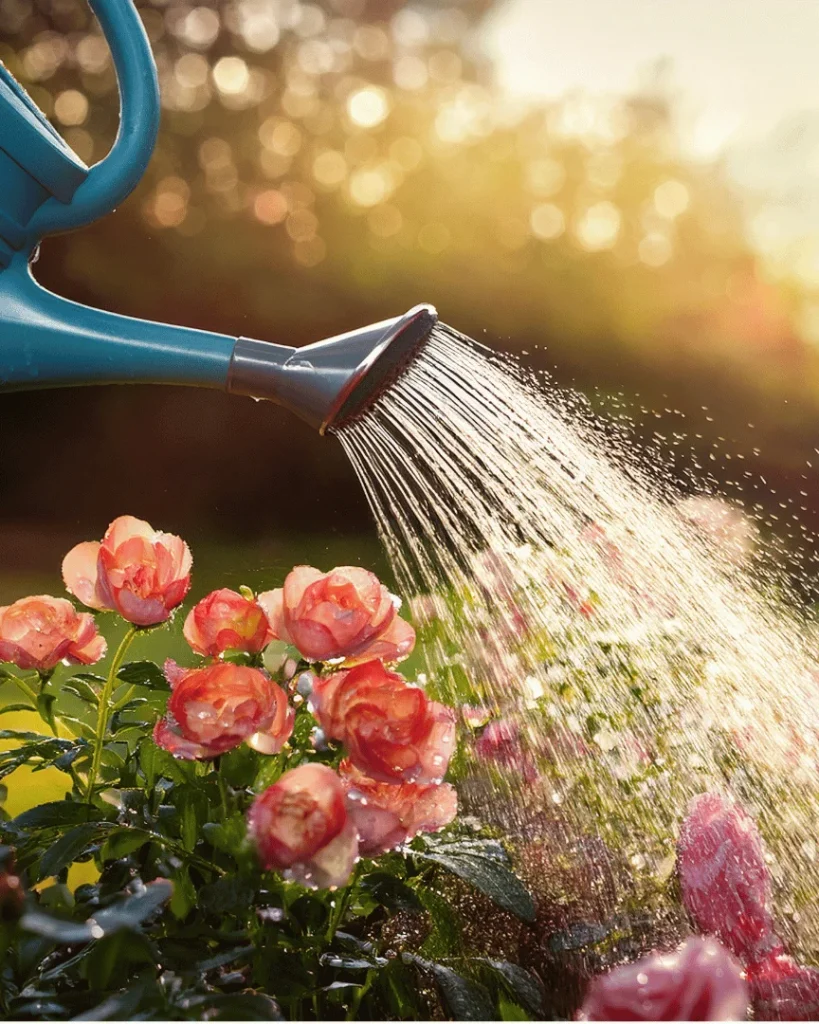
Knowing how to water your plants requires intuition that you’ll build over time, but there are guidelines you should consider. Your plants obviously need to be fed well, but there is such a thing as overwatering, which can lead to rotting soil and plant diseases from bacterial growth, as well as instability for the plant itself, since the foundation can be too wet.
Ensuring that the soil remains moist rather than wet is why you’ll want drainage holes on the bottom of your pots so that excess water has somewhere to go. You can skip the drainage if needed, but you’ll have to be especially cognizant of how much you’re watering your plants. A good rule of thumb is to check the top inch of soil. When it feels dry to the touch, it’s time to water.
When to Grow
A lot of timing revolves around where you’re based due to differences in the environment. You may have heard about frost dates, but in case you’re not aware, these are when it’s most likely to dip below freezing, which can kill your plants.
The safest time to plant would be between the last frost date (around the start of springtime) and the first (beginning of autumn) as they fall outside of the colder seasons. Leaning towards the earlier side of this range is ideal to take advantage of the more moderate climate, but you also don’t want to be so early that cold temps trailing from winter inhibit the initial development. Starting too late would result in insufficient growth as well as damage before you can properly harvest by the time fall comes.
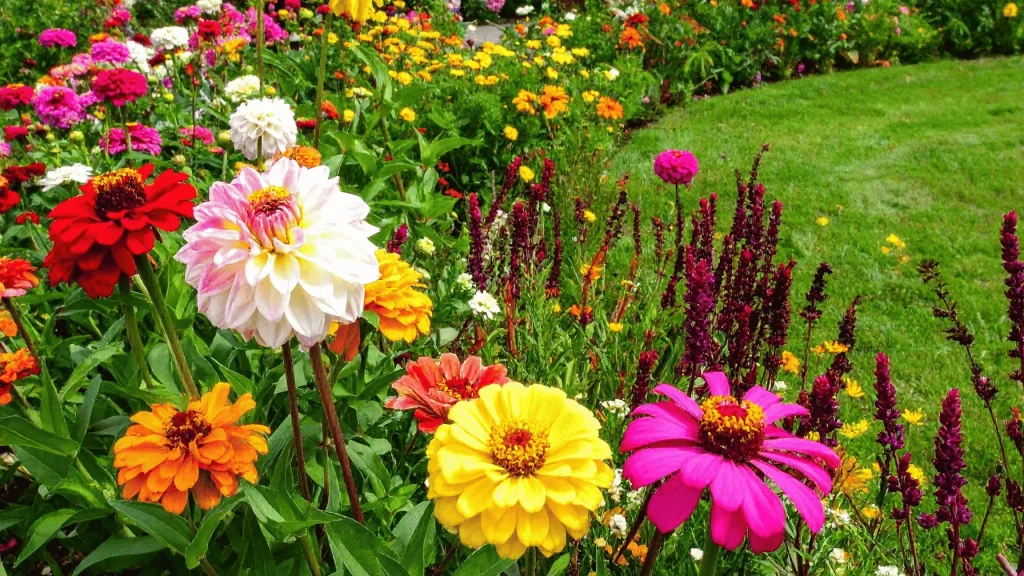
As we mentioned earlier, the best planting dates can vary depending on where you live, so it helps to check your gardening zone. Gardening zones might sound complicated, but think of it like a map that shows how cold it gets in your area. Each zone is assigned a number (the lower the number, the colder the winters). Knowing your zone helps you figure out which plants will thrive and when to start planting, especially for delicate cocktail herbs that don’t like frost. You can easily look up your gardening zone online, giving you a reliable window to start your garden with confidence.
What to Grow
Now for the fun part! While you’ll want to consider plants that are sure to thrive in your environment, you can definitely get experimental when choosing what you’d like to grow. We’ll focus on herbs and flowers due to their accessibility and ability to be grown in a variety of spaces, so check out a few of our favourites below!
Herbs
The versatility of herbs cannot be understated. Whether you’re looking to add freshness or a savoury edge to your sip, it’s no wonder they’re a mixology staple! This may sound counterintuitive, but once they propagate, you’ll want to consistently prune them to encourage further growth of quality leaves.

- Basil
- Mint
- Note that mint can easily overwhelm a space if planted with other species, so we highly recommend growing this in its own pot.
- Sage
- Rosemary
- Thyme
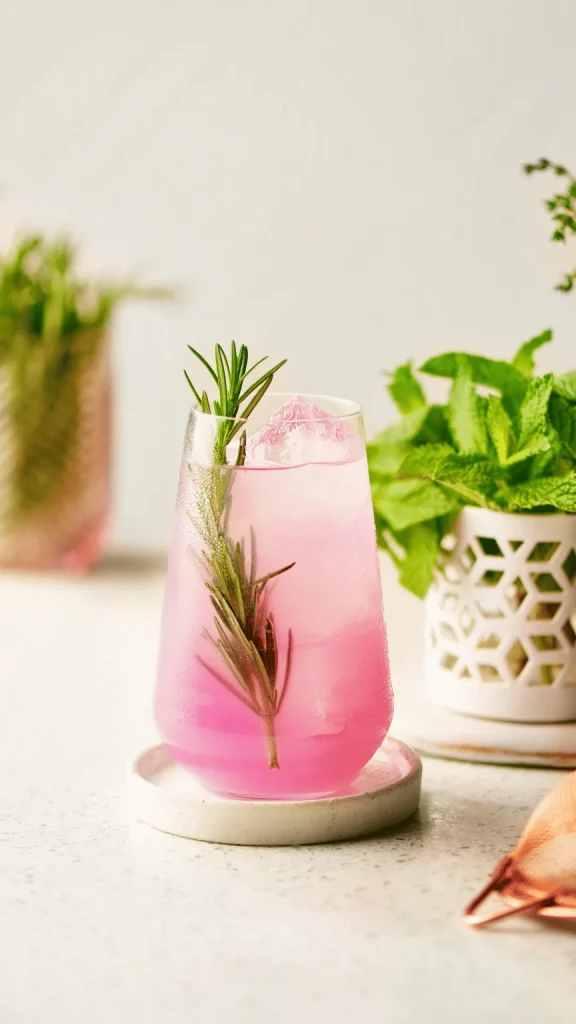
Need a use for your bounty of herbs? Give the Windsor Garden a mix for a cocktail that evokes the name perfectly!
INGREDIENTS
- 2 oz Empress 1908 Indigo Gin
- ½ oz Fresh Lemon Juice
- ½ oz Simple Syrup
- Basil, Thyme, Rosemary, & Mint Leaves
METHOD
Lightly muddle herbs with the ingredients and shake with ice. Strain into a glass filled with ice and garnish with rosemary.
Edible Flowers
When you think about the magic of springtime, aren’t vibrant blossoms always in the scene? We often love incorporating edible flowers to our cocktails, whether in an infused syrup or simply as a stunning garnish.
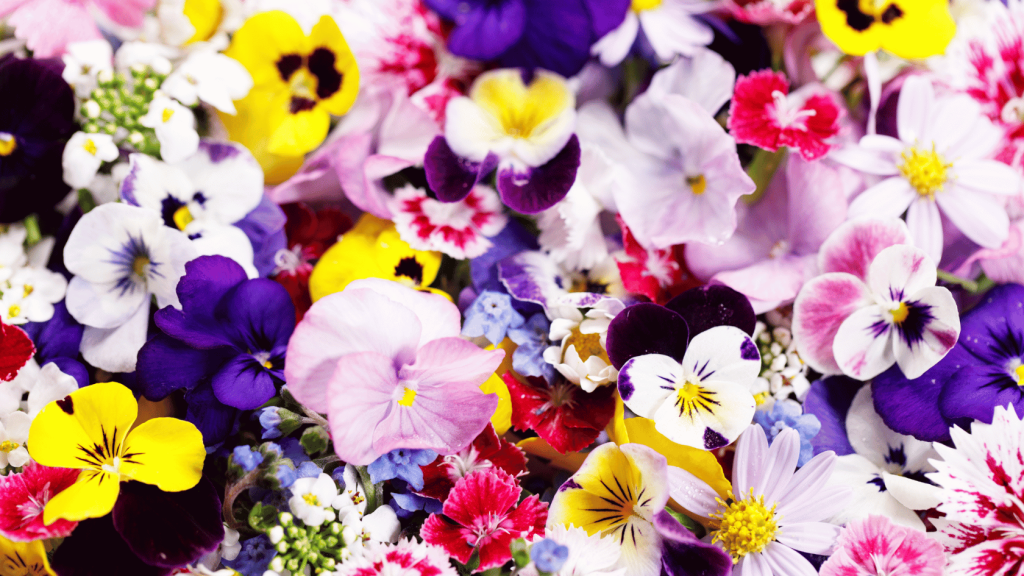
- Violas & Pansies
- These are a staple as they’re beginner-friendly, yet add a remarkable pop of colour when used as a garnish!
- Lavender
- Chamomile
- Chrysanthemums
- Hibiscus
- Miniature Roses
- These can be trickier to grow since their feeding and ambient needs require more attention, but remain a lovely addition for cocktails if successful.
- Lilacs
- If you’re growing them in a pot, you’ll want to look for a dwarf varietal since regular ones grow as bushes that occupy a lot of space.
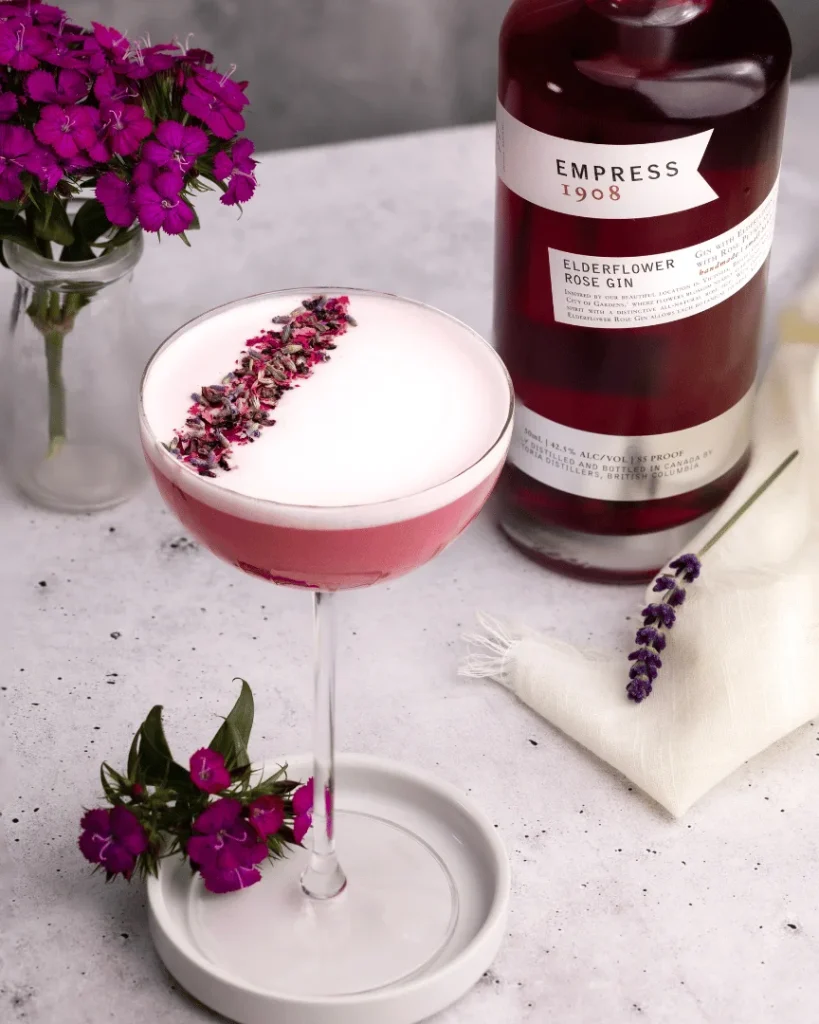
Enjoy the spring blooms in a glass with the Flower Power Sour by @thekitchenmccabe!

INGREDIENTS
- 1½ oz Empress 1908 Indigo Gin
- ½ oz Elderflower Liqueur
- ½ oz Flower Trio Syrup*
- ½ oz Fresh Lemon Juice
- Egg White
- Edible Flowers, for garnish
METHOD
Add gin, elderflower liqueur, flower trio syrup, lemon juice, and egg white to a cocktail shaker and dry shake for 20 seconds. Add ice and shake for another 30 seconds. Strain into a coupe glass and float flowers on top of the foam.
*For the syrup, place 1 cup granulated sugar, 1 cup water, ¼ cup dried hibiscus flower, 2 tbsp dried rose petals, and 2 tbsp dried lavender buds in a saucepan and slowly bring to a boil, stirring until sugar is dissolved. Reduce heat to medium and simmer gently for 10 minutes. Remove from heat and let sit until cooled. Strain before using. If using fresh blooms, you’ll want to add more since the flavour will be more delicate.
A lot of gardening involves trial and error, so don’t get discouraged if things aren’t looking the way you want them to! While you can continue to buy ingredients from the grocery store, there’s something particularly special about enjoying a cocktail made with produce you grew yourself. Best of all, you also get to more directly experience the beauty of spring by contributing to the seasonal blooms!
For more cocktail inspiration, be sure to check out our Instagram, Cocktail Page, or Blog!
Sip responsibly!